Working where the air is the hazard
An independent reference on gas rescue, mine rescue and breathing-apparatus work — equipment, gas hazards, standards, training and lessons from real incidents.
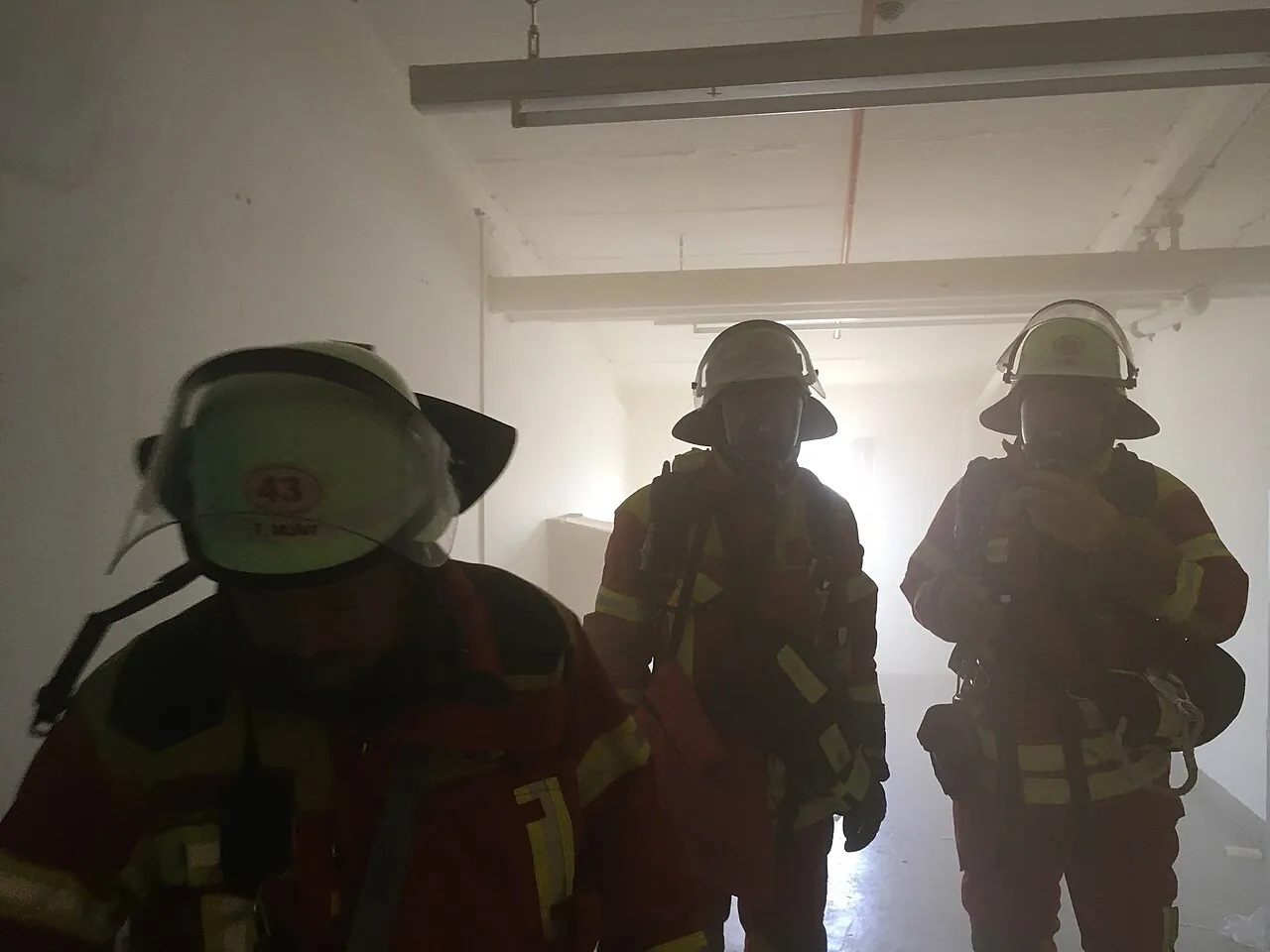
Breathing-apparatus exercise of the Bosch plant fire brigade in a smoke-filled building. Stuttgart, Germany, 2018. · Photo: Funki87 · CC BY-SA 4.0 · Source: Wikimedia Commons
Sections
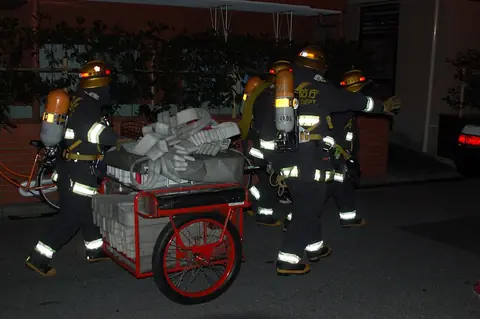 ProfessionWho gas rescuers are, where they work and how teams are organised
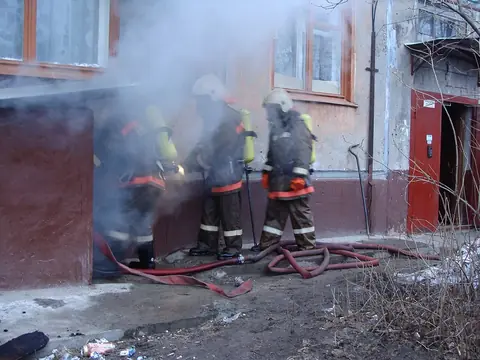 TasksRescue, reconnaissance, isolation and standby at hazardous work
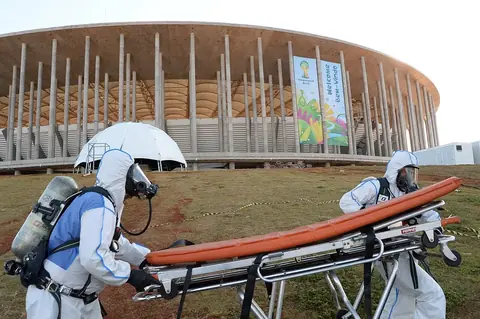 EquipmentBreathing apparatus, gas detectors, protective clothing and rescue gear
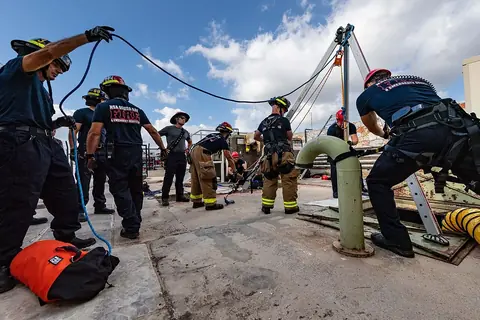 SafetyThe core rules for work in hazardous atmospheres
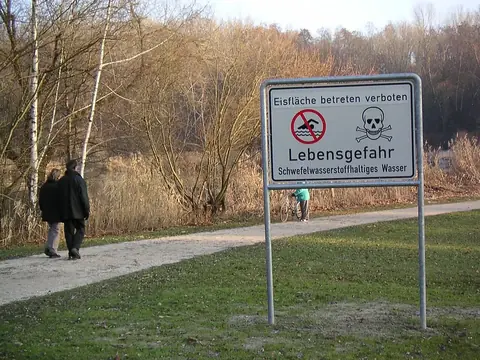 Gas hazardsToxic, asphyxiant and flammable gases: densities, explosive limits, IDLH
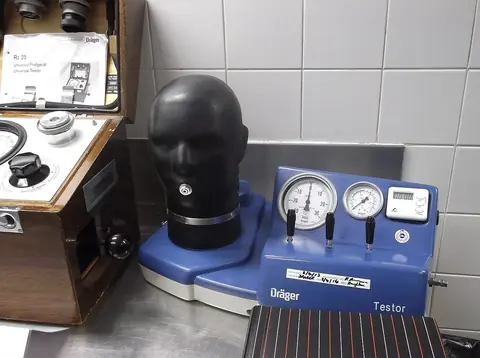 StandardsEN, ISO, NFPA, OSHA, ГОСТ and DGUV documents with current status and scope
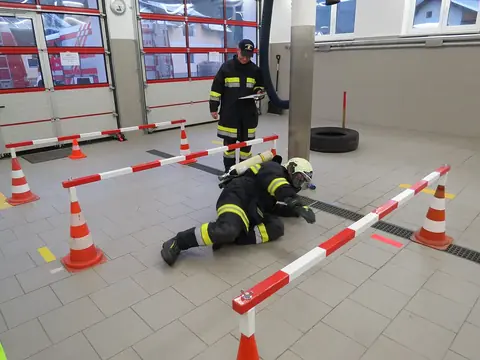 TrainingSelection, medical fitness, initial training, drills and competitions
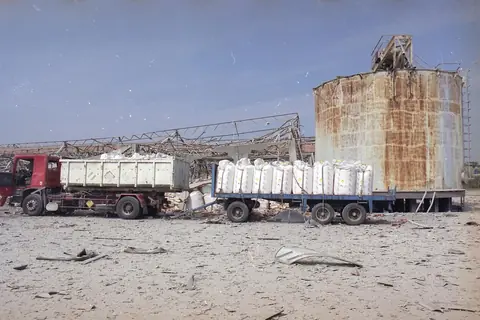 Case studiesReal accidents from official investigation reports and what rescuers can learn from them.
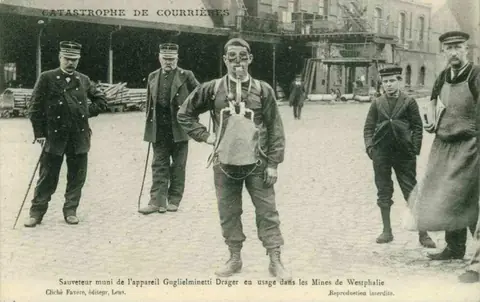 HistoryFrom the first oxygen apparatus to modern SCBA and organised rescue services
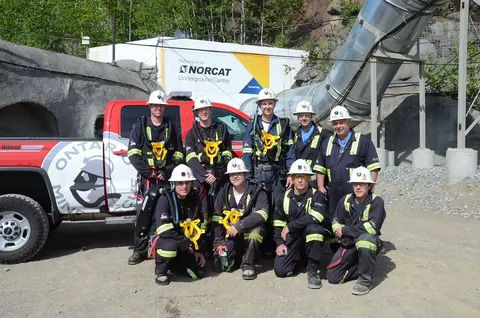 GlossaryKey terms of gas rescue work explained
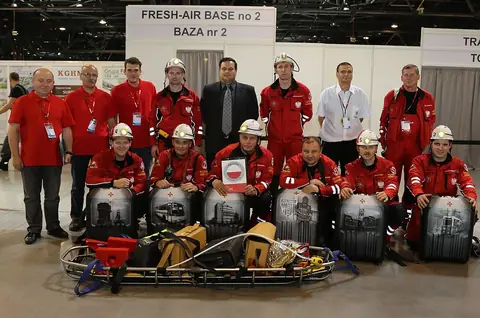 OrganisationsInternational bodies, regulators and rescue services with official links
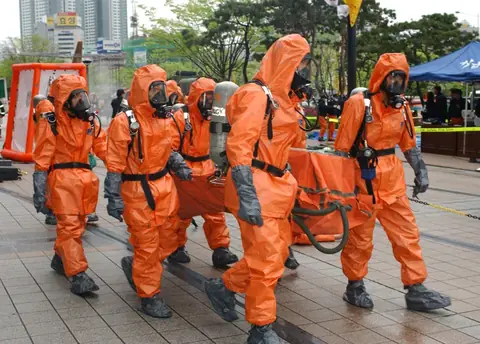 FAQShort answers to the questions people ask most often about gas rescue.
Key facts
- 100 ppm hydrogen sulfide is classed by NIOSH as immediately dangerous to life or health (IDLH). NIOSH
- 19.5 % oxygen: below this, OSHA treats the atmosphere as oxygen-deficient; normal air holds 20.9 %. OSHA
- >60 % of confined-space fatalities studied by NIOSH were would-be rescuers. NIOSH
- 1200 ppm carbon monoxide is the NIOSH IDLH value — and the gas has no smell or colour. NIOSH
Gas hazards at a glance
| Gas | Main hazard | Key figure |
|---|---|---|
| Hydrogen sulfide (H2S) | Toxic and flammable; deadens the sense of smell | IDLH 100 ppm |
| Carbon monoxide (CO) | Toxic, no smell or colour; flammable | IDLH 1200 ppm |
| Methane (CH4) | Flammable; displaces oxygen; lighter than air | LEL 4.4 % (IEC), 5 % (US) |
| Carbon dioxide (CO2) | Asphyxiant; collects in low places | IDLH 40 000 ppm |
| Oxygen deficiency | No warning signs before collapse | below 19.5 % O2 |
Full table with explosive limits and exposure limits by country: Gas hazards.